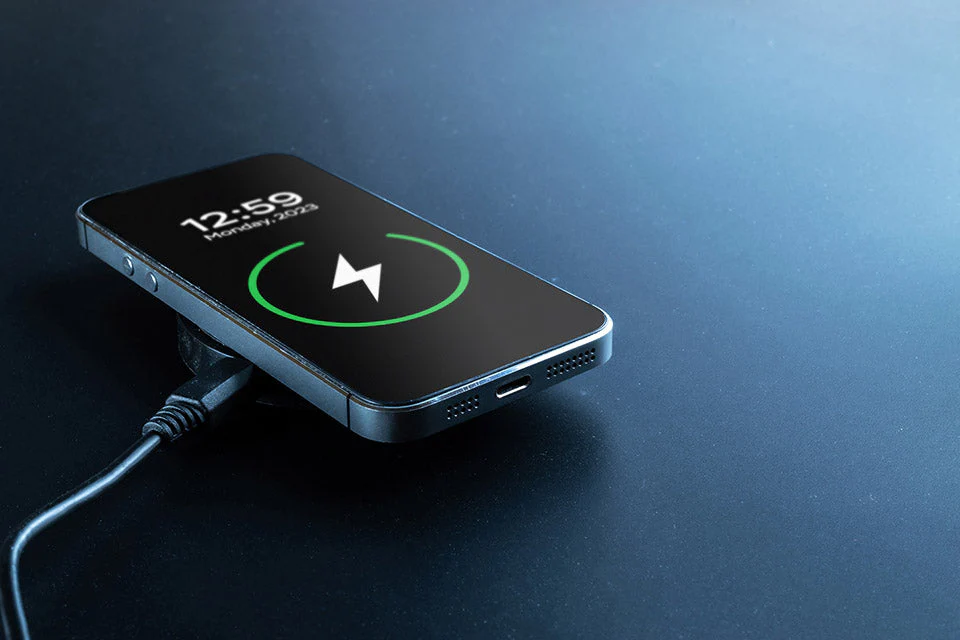
In today’s fast-paced world, staying connected is non-negotiable. From smartphones and tablets to wireless earbuds, smartwatches, and laptops, our devices are integral to daily life. But one of the most common frustrations is waiting for a battery to charge. Thankfully, modern technology offers a solution: fast charging. Yet despite its popularity, many people don’t fully understand how fast charging differs from standard charging, or how to make the most of it.
Understanding the difference is essential not only for convenience but also for the health and longevity of your devices. Fast charging offers remarkable speed, but it also comes with specific requirements, safety considerations, and technology standards that every user should know. This guide will break down the distinctions between fast and standard charging, explore the technologies behind them, and provide tips to choose the right charger for your needs.
What Is Standard Charging?
Standard charging is the traditional method of powering up devices using the basic USB output, typically 5 volts at 1–2 amperes. For decades, this was the default for most smartphones, tablets, and smaller electronics. Standard charging delivers a steady, controlled flow of electricity, which ensures your device charges safely without overheating or stressing the battery.
While reliable, standard charging is slower. A typical smartphone with a 4,000 mAh battery might take two to three hours to charge fully with a standard charger. The simplicity and compatibility of standard charging are advantages, as almost all devices can use it, even older models. It’s also easier on battery longevity because lower current reduces heat and stress.
The Rise of Fast Charging
Fast charging is designed to reduce the time it takes to recharge devices. By increasing voltage, current, or both, fast charging delivers more energy to the battery in less time. A modern fast charger can provide anywhere from 18W to over 100W of power, depending on the device and charging standard.
Fast charging has become especially popular with smartphones, tablets, laptops, and even power banks. Devices that support fast charging can often gain 50–70% of their battery in 30 minutes or less, which is a significant improvement over standard charging. This convenience is critical for people on the move, busy professionals, and travelers who may not have hours to wait for their devices to charge.
How Fast Charging Works
Fast charging works by modifying the electrical parameters used to transfer energy. There are two primary approaches: increasing current (amperage) and increasing voltage.
Increasing current means more electrons flow through the cable per second, which delivers energy faster. This is common in technologies like Qualcomm Quick Charge. Increasing voltage allows the charger to push more energy without increasing the current, which can improve efficiency and reduce heat. USB Power Delivery (USB-C PD) often uses this method, delivering high wattage while maintaining safe operation.
Some fast-charging technologies also adjust dynamically. They monitor battery health, temperature, and state of charge to deliver the optimal amount of power at each stage. For example, fast charging is often fastest when the battery is between 20–50% and slows down as it approaches full capacity to prevent overcharging and heat buildup.
Popular Fast-Charging Standards
Several fast-charging standards exist, and compatibility varies by device and manufacturer.
1. USB Power Delivery (USB-C PD): This universal standard supports higher wattages, often up to 100W, and can charge smartphones, tablets, and even laptops. USB-C PD dynamically adjusts voltage and current for safe and efficient charging.
2. Qualcomm Quick Charge: A widely adopted technology for Android devices, Quick Charge uses higher voltage and current to reduce charging time. Versions like Quick Charge 3.0 and 4.0 offer faster charging while improving efficiency.
3. OnePlus Warp Charge / OPPO VOOC / Realme SuperVOOC: These proprietary technologies focus on high-speed charging with minimal heat. By using low voltage and higher current, they maintain cooler battery temperatures during rapid charging.
4. Samsung Adaptive Fast Charging: Optimized for Samsung devices, this standard increases voltage to speed up charging while monitoring battery safety.
Understanding which standard your device supports is essential to achieving true fast-charging speeds. Using a fast charger that isn’t compatible may revert to standard charging speeds.
Fast Charging vs. Standard Charging: Key Differences
Speed: The most obvious difference is charging time. Fast charging can replenish a battery in half the time—or less—compared to standard charging. Standard charging is slower but consistent and gentle on the battery.
Heat Management: Fast charging generates more heat because higher power flows into the battery. Excessive heat can degrade battery health over time if not managed properly. Standard charging produces less heat and generally preserves battery longevity.
Cable and Charger Requirements: Fast charging often requires specific cables and chargers. For example, USB-C PD uses compatible cables capable of handling higher wattages. Using an incompatible cable may result in slower charging or no fast-charging capability. Standard charging is more forgiving and works with virtually any USB cable.
Battery Longevity: While modern batteries are designed to handle fast charging, repeated high-speed cycles may slightly reduce overall battery lifespan compared to standard charging. Standard charging is gentler, which can help maintain battery health over many years.
Compatibility: Standard charging is universally compatible with all USB devices. Fast charging requires both the charger and device to support the same protocol. Without compatibility, fast charging won’t work.
Advantages of Fast Charging
1. Convenience on the Go: The biggest benefit is saving time. Whether you need a quick 30-minute boost before a meeting or a fast recharge during travel, fast charging keeps your devices ready.
2. Supports Multiple Devices: Many fast chargers support multiple devices simultaneously with high-speed output, reducing the need to carry multiple chargers.
3. Ideal for Emergencies: Fast charging ensures that even short access to power can provide hours of device usage, which is critical in emergency situations.
4. Efficiency: Modern fast chargers optimize voltage and current to minimize energy loss, improving efficiency compared to older high-wattage methods.
Potential Drawbacks of Fast Charging
1. Heat Generation: Rapid charging produces more heat, which can accelerate battery wear if not properly managed. Most devices use temperature sensors to mitigate this risk.
2. Cable and Charger Dependency: Fast charging often requires certified cables and chargers. Using generic accessories may prevent fast charging or cause inefficiency.
3. Slight Battery Degradation: Although modern lithium-ion batteries are resilient, consistently using fast charging may lead to marginally faster battery wear compared to standard charging.
Tips for Maximizing Fast-Charging Efficiency
Use Certified Chargers and Cables: Always use chargers and cables certified by the manufacturer or compatible with the charging standard.
Avoid Charging in Extreme Temperatures: Charging in very hot or cold conditions can reduce efficiency and accelerate battery wear.
Don’t Keep Devices at 100% Constantly: Lithium-ion batteries last longer when kept between 20% and 80% charge. Overcharging, even with fast charging, can stress the battery over time.
Remove Cases if Necessary: Some device cases can trap heat during fast charging. Removing them can improve heat dissipation and speed.
Use Optimized Charging Settings: Some devices include adaptive charging features that balance speed and battery health. Enable these features if available.
Standard Charging: When It’s Still the Best Option
While fast charging is convenient, standard charging isn’t obsolete. It’s ideal for overnight charging, maintaining battery health, and charging secondary devices that don’t support fast charging. Standard charging is also safer in extreme conditions, generates less heat, and is compatible with virtually all devices.
For example, leaving your phone plugged in overnight at standard speed ensures a full battery in the morning without the minor stress that fast charging could introduce over repeated cycles.
Choosing the Right Charging Method
Your choice depends on your priorities. If speed and convenience matter most, fast charging is the clear winner. It’s perfect for busy professionals, travelers, and anyone who can’t afford to wait hours for their devices. If battery longevity and minimal heat generation are your main concern, standard charging is ideal, especially for overnight or extended charges.
Many users benefit from a hybrid approach: using fast charging when time is short and standard charging when devices can charge slowly and safely. This balances speed with battery health for long-term use.
Future Trends in Charging
Fast charging technology continues to evolve. New standards are pushing higher wattages safely, with laptops, tablets, and even larger devices adopting USB-C PD. Battery technology is improving as well, enabling faster energy absorption without overheating or degrading over time. Wireless fast charging is also becoming more practical, with innovative designs delivering substantial power without cords.
In the next few years, it’s likely we’ll see universal fast charging standards across more devices, eliminating compatibility issues and making rapid charging as simple as plugging in a standard charger today.
See also: The Rise of Tech in Mental Health Therapy and Diagnosis
Conclusion
Fast charging and standard charging each have their advantages. Fast charging provides remarkable convenience, drastically reducing wait times and keeping devices ready for on-the-go lifestyles. Standard charging offers reliability, gentleness on the battery, and universal compatibility.
Understanding the differences allows users to make informed decisions based on their needs, device types, and travel or work habits. Combining both methods strategically ensures maximum efficiency, convenience, and battery health. In 2026, being knowledgeable about charging technology is just as essential as having the right devices, keeping you powered and connected whenever and wherever you need it.