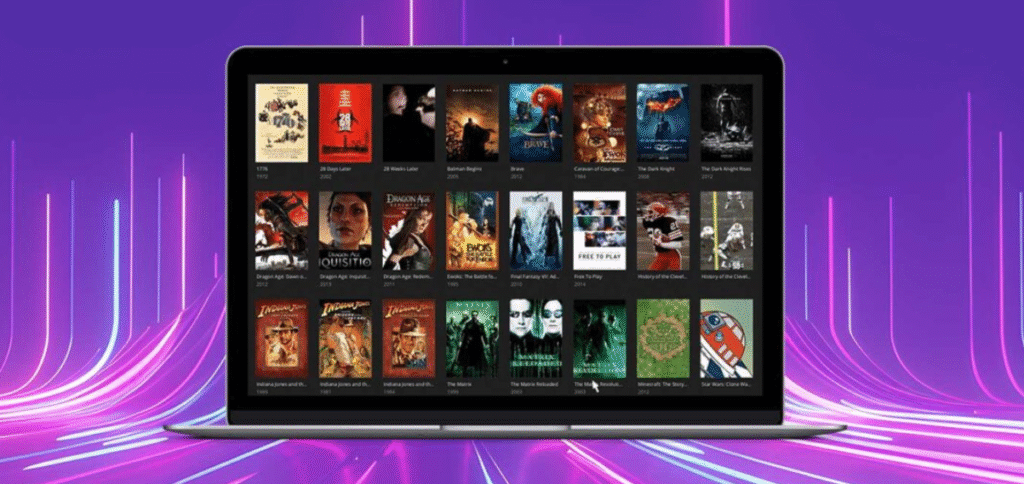
Streaming technology has fundamentally altered how audiences access and engage with content. By providing both on-demand and live formats, it caters to varying viewer preferences. The underlying technologies, such as advanced compression algorithms and content delivery networks, ensure seamless and high-quality experiences. This transformation in consumption patterns invites further exploration into the implications for traditional media and future innovations in the realm of entertainment delivery. What changes lie ahead for both viewers and content creators?
Understanding Streaming Technology: Basics and Functionality
Streaming technology has revolutionized the way content is consumed in the digital age. By utilizing various streaming protocols, it enables seamless delivery of audio and video over the internet.
Understanding the bandwidth requirements is crucial, as they determine the quality and stability of streams. This technology empowers users to access content freely, fostering a dynamic landscape where entertainment and information are just a click away.
Types of Streaming: On-Demand vs. Live
While both on-demand and live streaming serve distinct purposes in the content delivery landscape, their differences significantly shape user experiences and engagement.
On-demand convenience allows users to consume content at their own pace, fostering personal choice.
In contrast, live streaming offers real-time engagement and live interaction, creating a sense of community and immediacy that on-demand formats often lack, catering to diverse viewer preferences.
Core Technologies That Power Streaming Services
As the demand for seamless content delivery grows, several core technologies emerge as the backbone of streaming services.
Compression algorithms play a vital role, reducing file sizes while maintaining quality, thus ensuring efficient transmission.
Additionally, robust content delivery networks (CDNs) strategically distribute content across global servers, enhancing access speed and reliability, ultimately providing users with an uninterrupted streaming experience that caters to their freedom of choice.
How Does Streaming Transform Entertainment Consumption?
With the advent of streaming technology, the landscape of entertainment consumption has undergone a profound transformation.
This shift has altered viewer behavior, providing unprecedented content accessibility. Audiences now enjoy the freedom to choose when, where, and how they engage with media, leading to more personalized experiences.
As a result, traditional viewing patterns have evolved, reshaping the dynamics between consumers and content creators.
Conclusion
In conclusion, streaming technology has profoundly altered the landscape of content consumption, enabling users to access diverse media at their convenience. For instance, consider a hypothetical scenario where a family chooses to watch a live sports event on a streaming platform while simultaneously pausing and rewinding highlights. This flexibility epitomizes the transformative power of streaming, allowing viewers to curate their experience in ways traditional broadcasting could not. As technology continues to evolve, the potential for innovation in streaming remains boundless.