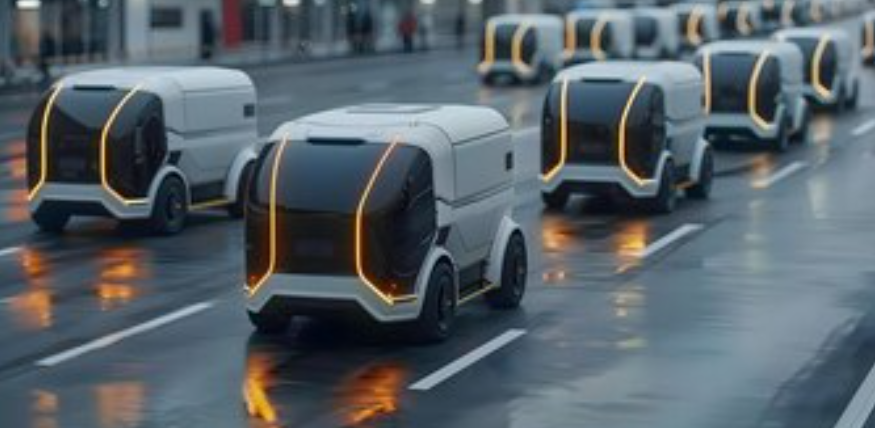
Sustainable transportation technology is reshaping urban landscapes through various innovations. Electric vehicles reduce emissions significantly, while alternative fuels enhance public transit efficiency. Additionally, walkable neighborhoods and bike-friendly infrastructure promote accessibility and decrease reliance on cars. Cities are increasingly integrating smart technology to optimize transit systems. However, the effectiveness of these advancements in achieving long-term sustainability goals remains to be fully assessed. What implications do these changes hold for future urban planning and policy?
How Electric Vehicles Are Transforming Urban Mobility
How are electric vehicles (EVs) reshaping urban mobility?
The integration of advanced battery technology and extensive charging infrastructure is redefining transportation in cities.
With a growing focus on sustainability, EVs facilitate reduced emissions and lower operational costs.
Data indicates that urban areas embracing EVs see improved air quality and enhanced freedom of movement, ultimately fostering a more sustainable and accessible urban environment.
See also: Strategic Business Trends Assessment
Recent Innovations in Sustainable Public Transit Systems
As cities strive to meet sustainability goals, recent innovations in sustainable public transit systems are emerging as crucial components of urban mobility strategies.
Initiatives utilizing alternative fuels, such as hydrogen and biofuels, alongside investments in green infrastructure, enhance the efficiency and environmental performance of transit networks.
These advancements not only reduce emissions but also promote ridership, contributing significantly to urban sustainability objectives.
Designing Cities for Sustainable Transportation
What factors contribute to the effectiveness of urban design in fostering sustainable transportation?
Key elements include the creation of walkable neighborhoods that prioritize pedestrian access and the development of bike-friendly infrastructure.
Studies indicate that cities incorporating these features experience reduced vehicle dependency, lower emissions, and enhanced community engagement.
Such designs not only promote mobility freedom but also improve overall quality of urban life.
Integrating Smart Technology in Public Transit
The integration of smart technology in public transit systems represents a significant advancement in promoting sustainable transportation.
Smart ticketing solutions streamline fare collection, enhancing user experience while reducing operational costs.
Coupled with real-time tracking, these technologies empower passengers with timely information, leading to improved reliability and increased ridership.
Ultimately, this innovation fosters a more accessible, efficient, and environmentally friendly public transportation network.
Conclusion
As cities evolve into vibrant ecosystems, sustainable transportation technology acts as the lifeblood, weaving together electric vehicles, public transit innovations, and smart infrastructure. This intricate tapestry not only reduces emissions but also paints a picture of interconnected communities, where clean air and accessible mobility thrive. By embracing these advancements, urban landscapes transform from concrete jungles into flourishing habitats, fostering a healthier populace and a resilient future, where the hum of engines is replaced by the gentle footsteps of pedestrians and cyclists.